


When you step into any serious weightlifting gym in India and ask about the best protein sources for building a shredded physique, you will almost always hear the same list: eggs, chicken breast, fish, or whey protein isolates. For a vegetarian bodybuilder, this narrow focus can be incredibly discouraging. While dairy staples like paneer and curd are fantastic options, matching the raw, dense protein-to-calorie ratio of lean meat using dairy alone can be tough without accidentally overconsuming daily fat and calorie budgets. This challenge is made significantly worse if you are managing diabetes, where excess body fat directly worsens insulin resistance. However, there is an absolute vegetarian protein powerhouse hiding in plain sight on every grocery store shelf in India that completely changes the game: Soya Chunks (textured vegetable protein).

To truly appreciate the value of soya chunks, you have to look at the jaw-dropping macronutrient breakdown. While lean chicken breast delivers roughly 25 grams of protein per 100 grams, dry soya chunks pack a monumental 52 grams of high-quality protein per 100-gram serving. More importantly for the diabetic athlete, this massive protein punch comes with virtually zero fat and a incredibly low glycemic impact. Soya chunks are a complete plant-based protein source, meaning they contain all nine essential amino acids that your body cannot synthesize on its own and must secure through dietary intake. This exceptional nutritional profile makes it a highly efficient asset for triggering muscle hypertrophy while supporting metabolic health.
Debunking the Hormonal Myths Around Soy Protein
Despite these incredible numbers, soya chunks are often avoided by male bodybuilders due to widespread bro-science rumors and misinformation regarding soy phytoestrogens. The common myth claims that consuming soy products will dramatically elevate estrogen levels in men, leading to muscle loss, fat gain, and hormonal imbalances. However, modern endocrinology and comprehensive nutritional studies have thoroughly debunked these fears. Phytoestrogens are plant-based compounds that possess a entirely different chemical structure than mammalian estrogen. While they can bind to estrogen receptors in the human body, their biological effect is incredibly weak—thousands of times weaker than actual estrogen—and they do not lower circulating testosterone levels or disrupt muscle-building pathways when consumed in reasonable, real-world amounts.
For a diabetic individual, embracing soy protein provides massive systemic health benefits that go far beyond basic muscle repair. Soy protein contains unique bioactive peptides that have been shown in clinical trials to improve fat oxidation and enhance glucose tolerance. Consuming soy products regularly helps lower circulating LDL cholesterol and triglycerides, providing critical cardiovascular protection for diabetic individuals who face a higher statistical risk of heart disease. Soya chunks allow you to secure an elite, meat-level protein density while actively improving your body's cellular sensitivity to insulin.
Advanced Preparation for Maximum Digestibility
While the nutritional profile of soya chunks is undeniable, many people struggle to enjoy them because of poor preparation techniques that lead to a rubbery texture or digestive discomfort. Because soy protein is incredibly dense, it requires proper preparation to optimize texture and maximize nutrient absorption. The gold standard for prepping soya chunks begins with a thorough boiling process in water seasoned with a pinch of salt. Boiling allows the dehydrated chunks to absorb moisture, expanding into a plump, tender texture while washing away residual sugars that can cause digestive gas.
Once boiled, the critical step is to drain the hot water and thoroughly squeeze out every drop of moisture from the chunks. This physical squeezing process removes the bitter soy flavor profile and turns the chunks into a clean, absorbent sponge ready to soak up whatever healthy marinades you apply. For an elite fitness meal, marinate the squeezed chunks in a mixture of low-fat hung curd, ginger paste, garlic, red chili powder, and a dash of garam masala. Allowing the chunks to sit in this acidic, spice-rich marinade for thirty minutes partially breaks down the dense protein chains, significantly improving its digestibility and ensuring that the amino acids are quickly absorbed by your body post-workout.
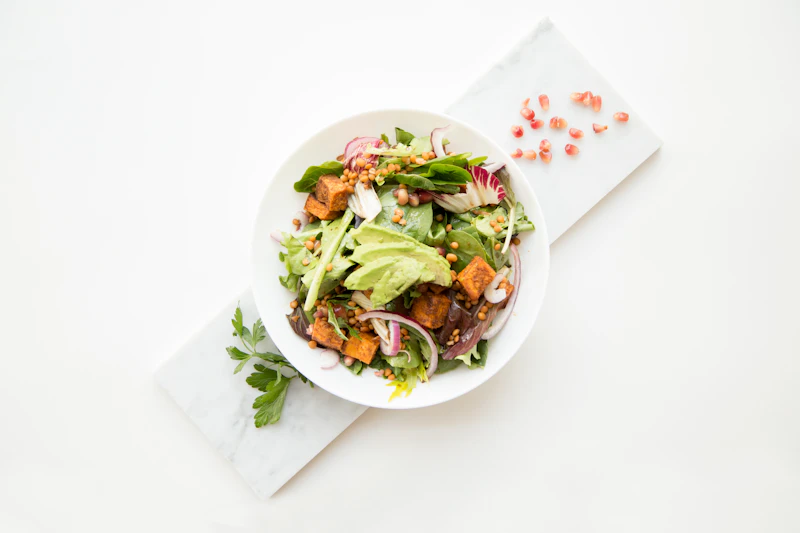
You can then stir-fry the marinated soya chunks in a pan with a single teaspoon of cold-pressed coconut oil, tossing in high-fiber vegetables like broccoli, bell peppers, and green peas. This cooking style yields a high-volume, deeply satisfying meal that looks and tastes like a gourmet stir-fry while maintaining an elite protein-to-calorie ratio. The high fiber content from the vegetables work alongside the soy protein to slow down your overall digestion speed, ensuring a completely flatlined blood sugar line that protects your health while keeping your body locked in a prolonged state of muscle building.

Building an impressive, muscular physique while managing diabetes doesn't require you to rely on expensive, imported fitness supplements or restrictive western diets. Soya chunks stand as a clear testament to the incredible power of affordable, plant-based whole foods. By mastering simple prep steps, ignoring outdated hormonal myths, and keeping your cooking methods lean and clean, you can unlock a massive, uncompromised source of pure protein that fuels your gym performance, accelerates your muscle recovery, and keeps your blood sugar levels completely stable for life.

No comments:
Post a Comment