


For decades, the standard bodybuilding playbook has been incredibly rigid, dominated by western staples like grilled chicken breast, egg whites, and imported whey protein isolates. If you happened to be a vegetarian lifter in India, navigating this landscape was tough enough. But add a diagnosis of type-2 diabetes or insulin resistance to the mix, and the task feels nearly impossible. Traditional Indian comfort foods are notoriously heavy on fast-acting, high-glycemic carbohydrates like polished white rice, refined maida rotis, and starchy potatoes. These items cause immediate blood glucose volatility, which is a nightmare for a diabetic, while failing to provide the clean, sustained protein required for lean muscle tissue repair. However, the ultimate weapon for bridging the gap between anabolic muscle growth and flatlined blood sugar responses has been sitting right inside the humble Indian kitchen for generations: paneer.
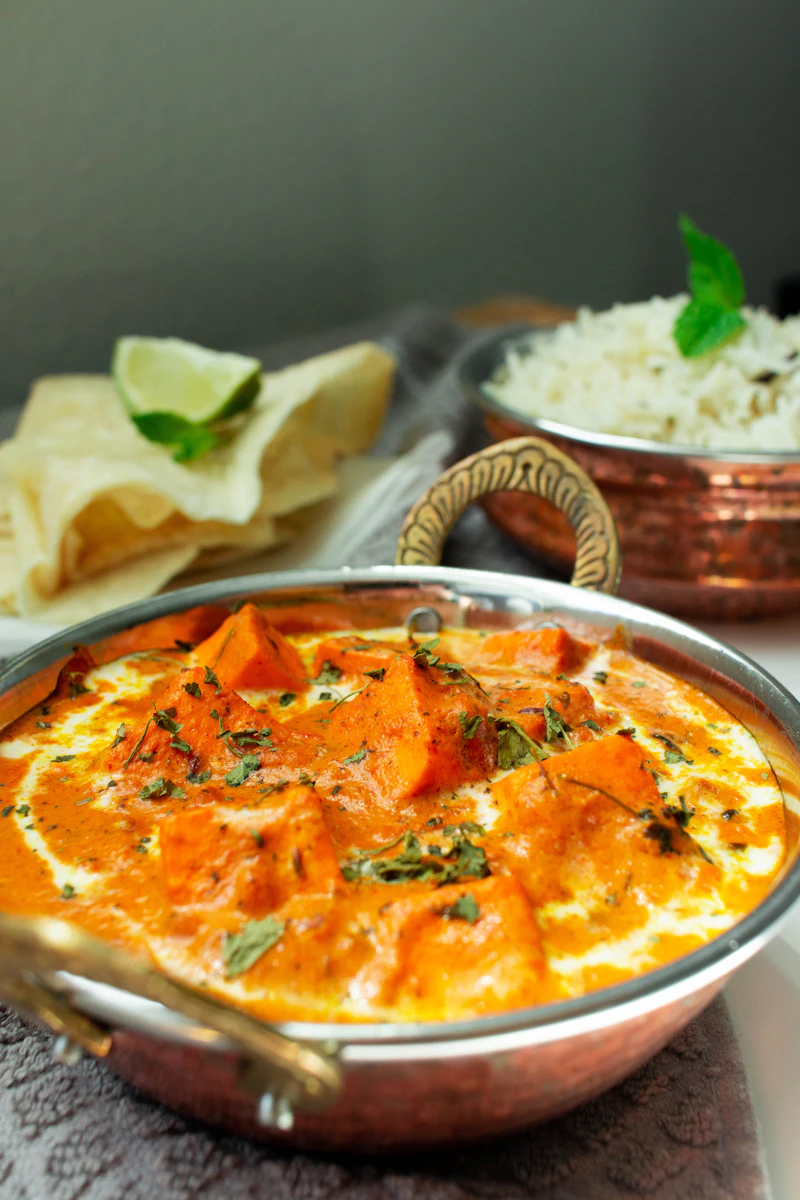
To understand why paneer is uniquely qualified to serve as a cornerstone for the diabetic bodybuilder, you have to look past the macro numbers and understand the structural nature of milk proteins. Paneer is primarily composed of casein protein. Unlike whey protein, which is absorbed rapidly by the gut and causes a quick, fleeting spike in circulating amino acids, casein acts as a slow-release nutritional drip. When you consume paneer, the acidic environment of your stomach causes the casein to form a dense, gel-like matrix. This significantly slows down the rate of gastric emptying, resulting in a steady, gradual release of muscle-building amino acids into your bloodstream over the course of five to seven hours. This slow digestion profile is exactly what makes it a dual-purpose superfood for both muscle building and metabolic health.
The Metabolic Magic of Delayed Gastric Emptying
When you slow down digestion, you change the entire metabolic response to a meal. For a diabetic individual, the single biggest danger of any meal is rapid carbohydrate absorption, which overwhelms the pancreas and triggers sharp, damaging spikes in blood sugar. Casein protein acts as a natural brake system for your metabolism. When paneer is paired with complex carbohydrates—such as a fiber-rich ragi or bajra flatbread—the slow-digesting fat and protein matrix physically delays the breakdown of those starches into glucose. The result is a slow, flat, and entirely predictable sugar response curve that keeps your HbA1c levels completely stable while providing hours of sustained energy for intense strength training sessions.
From an anabolic perspective, this extended release of nutrition is incredibly valuable. Muscle protein synthesis—the biological process through which your body repairs micro-tears in muscle tissue caused by heavy lifting—requires a steady supply of essential amino acids, particularly leucine. Consuming paneer, especially during your final meal of the evening, ensures that your body stays in a positive nitrogen balance throughout the overnight fasting window. Instead of entering a catabolic state where the body breaks down hard-earned muscle tissue to maintain baseline physiological functions, the slow-digesting casein keeps your muscles fed and recovering while you sleep.
However, not all paneer is created equal, and this is where many fitness enthusiasts make a critical mistake. Standard commercial paneer sold in local dairies is often crafted from full-fat whole milk or buffalo milk, resulting in an incredibly dense caloric profile loaded with saturated fats. While healthy fats are necessary for optimal hormone production, an excess of saturated fat can worsen cellular insulin resistance over time. For a diabetic bodybuilder, the golden rule is to prioritize low-fat, skimmed-milk paneer—ideally prepared fresh at home. Homemade preparation allows you to control the fat content entirely, delivering a clean punch of roughly 18 to 20 grams of high-quality protein per 100-gram serving with minimal fat overhead.

Optimizing Paneer for the Desi Fitness Kitchen
The versatility of paneer makes it incredibly easy to integrate into a daily fitness regimen without causing flavor fatigue. Instead of preparing heavy, cream-laden restaurant-style gravies that destroy the nutritional value of the food, the modern fitness kitchen focuses on lean, spice-forward cooking techniques. A prime example is a high-volume Paneer Bhurji paired with a multigrain or almond-flour roti. By scrambling the paneer with fiber-rich vegetables like diced onions, capsicum, tomatoes, and dark leafy spinach, you increase the total volume and fiber content of the meal, boosting fullness without adding extra calories.
Another elite option for a post-workout recovery meal is customized Paneer Tikka. Marinating low-fat paneer cubes in high-protein hung curd (Greek yogurt style) seasoned with anti-inflammatory spices like turmeric, ginger-garlic paste, and roasted cumin powder creates a powerful nutritional matrix. Turmeric contains curcumin, an incredibly strong natural antioxidant that helps reduce muscle soreness and joint inflammation caused by heavy squats and deadlifts, while the ginger-garlic paste enhances digestive enzyme activity, ensuring maximum absorption of the protein. Grilling or air-frying the marinated cubes gives you a delicious, restaurant-quality meal that is completely free of unhealthy oils and fast-acting sugars.
The Micronutrient Advantage: Calcium and Bone Density
Beyond the macronutrient profile of protein and fat, paneer delivers a massive dose of bioavailable calcium. Heavy weight training places immense structural stress not just on muscle fibers, but on your skeletal system as well. To handle progressive overload over a lifetime of lifting, a bodybuilder needs exceptional bone mineral density. Calcium is essential for smooth muscular contractions; without sufficient calcium ions at the cellular level, your muscles cannot fire with maximum force during heavy lifting sets. A single 100-gram serving of paneer helps fulfill a massive chunk of your daily calcium requirements, protecting your joints and bones from stress fractures while maximizing your raw strength potential in the gym.

As we analyze the unique intersection of muscle building and diabetes management, it becomes clear that success doesn't require abandoning your cultural food heritage for tasteless western alternatives. Paneer proves that traditional Indian whole foods can match or exceed the performance profiles of any processed fitness supplement. By choosing low-fat varieties, incorporating smart vegetable pairings, and avoiding sugary, heavy commercial sauces, you can turn this classic dairy staple into a highly efficient, muscle-building asset that guards your health while carving out an elite physique.

No comments:
Post a Comment